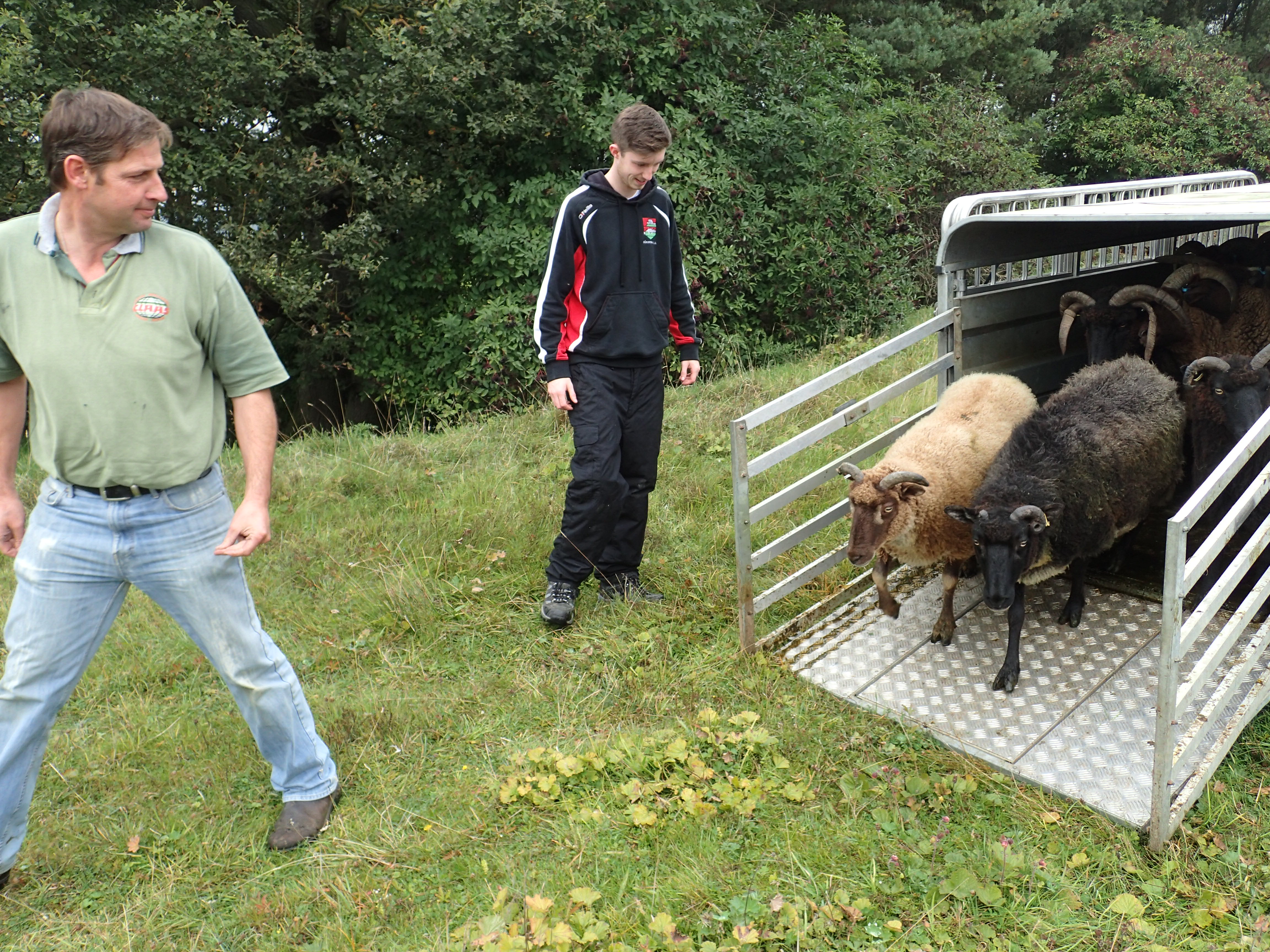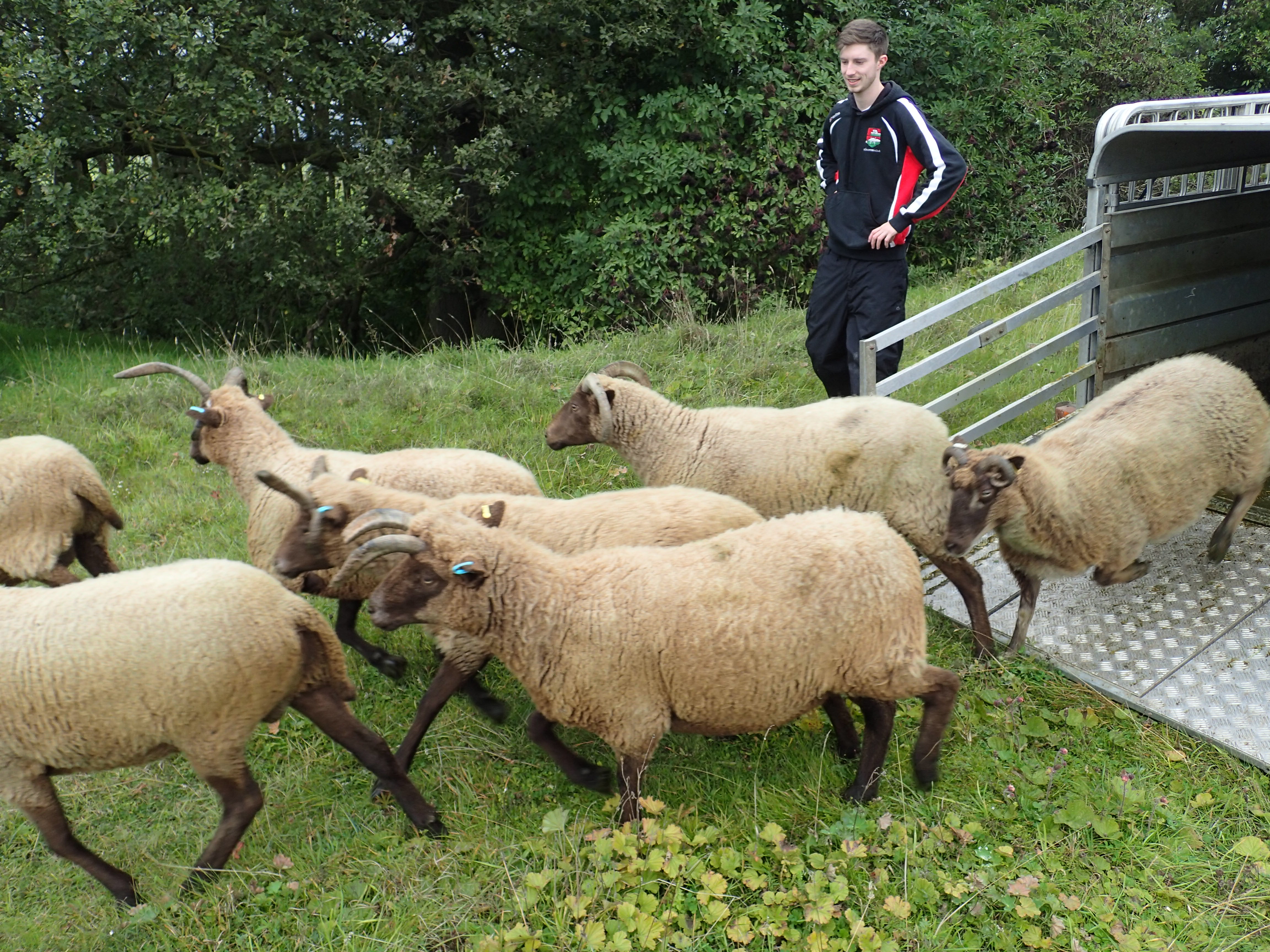
The Community Foundation’s LEAF fund promotional video features Flexigraze as one of its supported projects. The video features some of our sheep, volunteers, Stephen and Jess. The LEAF fund was a great help to us when we were starting up and the fund has helped a variety of other very worthy environmental projects over the years.
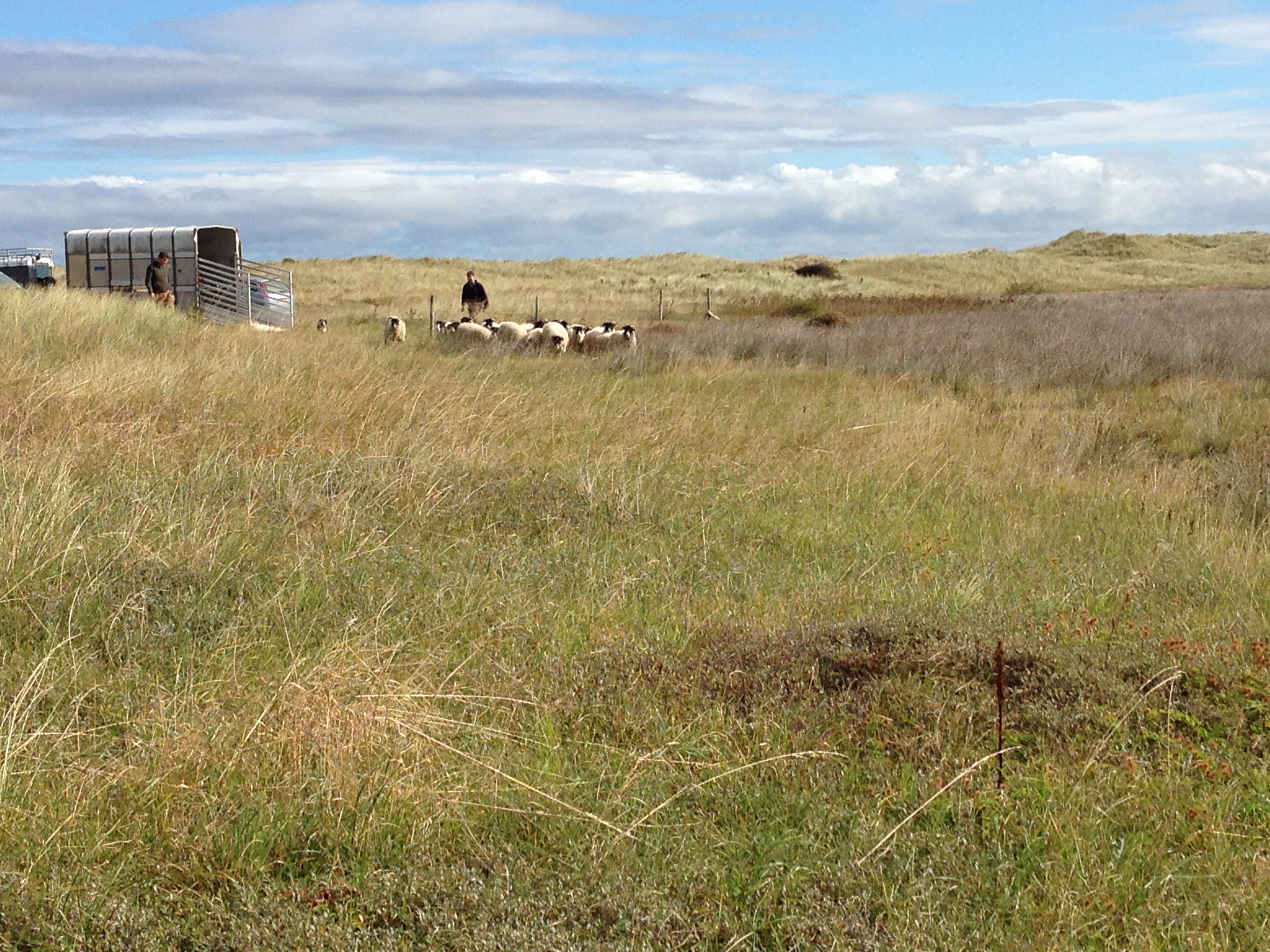
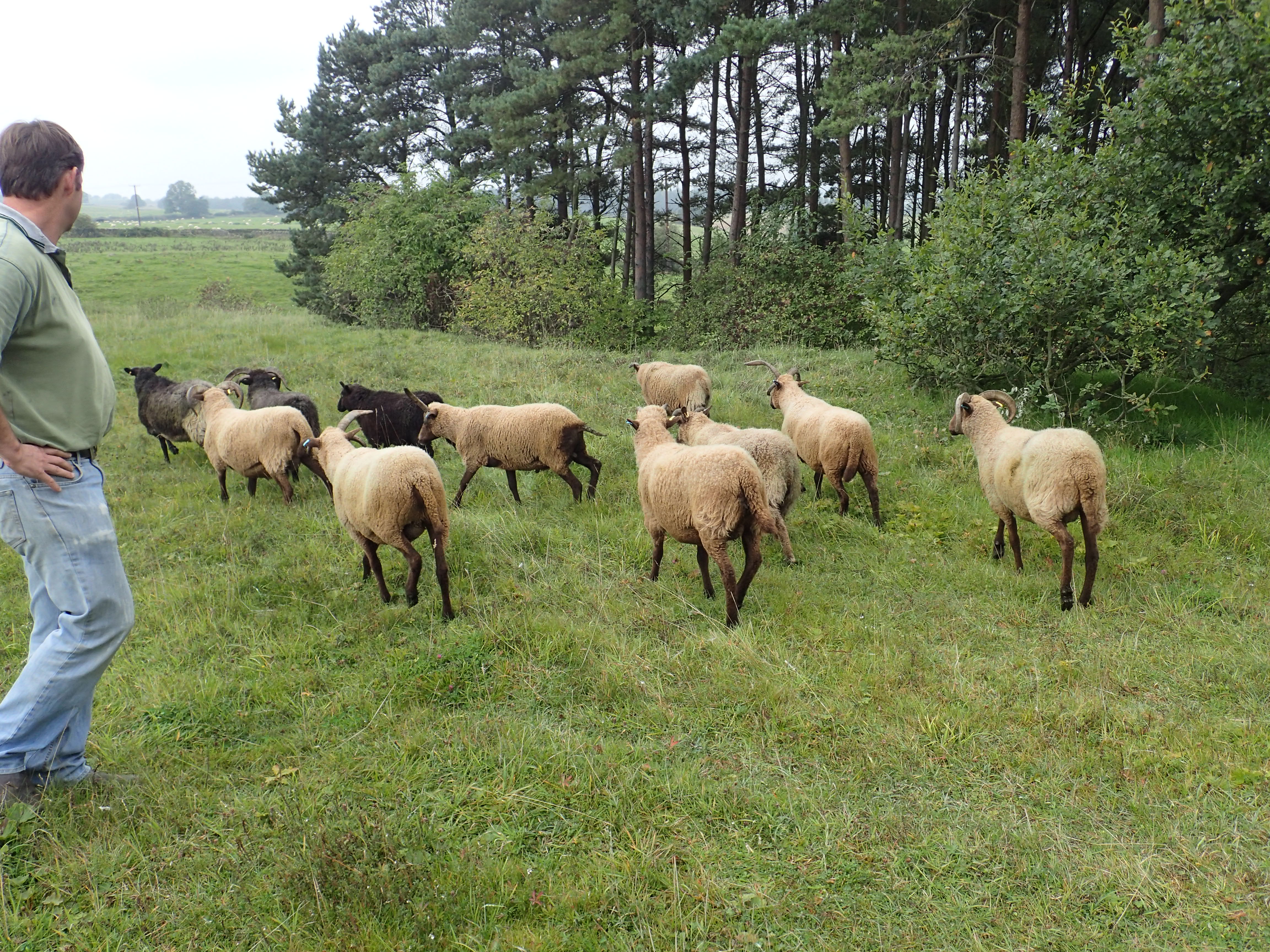
With autumn well and truly here it’s time for the Soays to move from their summer home at Powhill back to their winter grazing site on the Northumberland coast.
Some gentle coaxing with a bucket of feed (thanks for your help Anne) and Jess creeping up behind them meant they were persuaded to behave relatively well this year! It’s always a relief to get them loaded as they have a mind of their own and can be quite a handful on occasion.
The only downside being I had forgotten my camera and had to make do with my old phone! Shame really as it was a beautiful morning with the fog lifting.
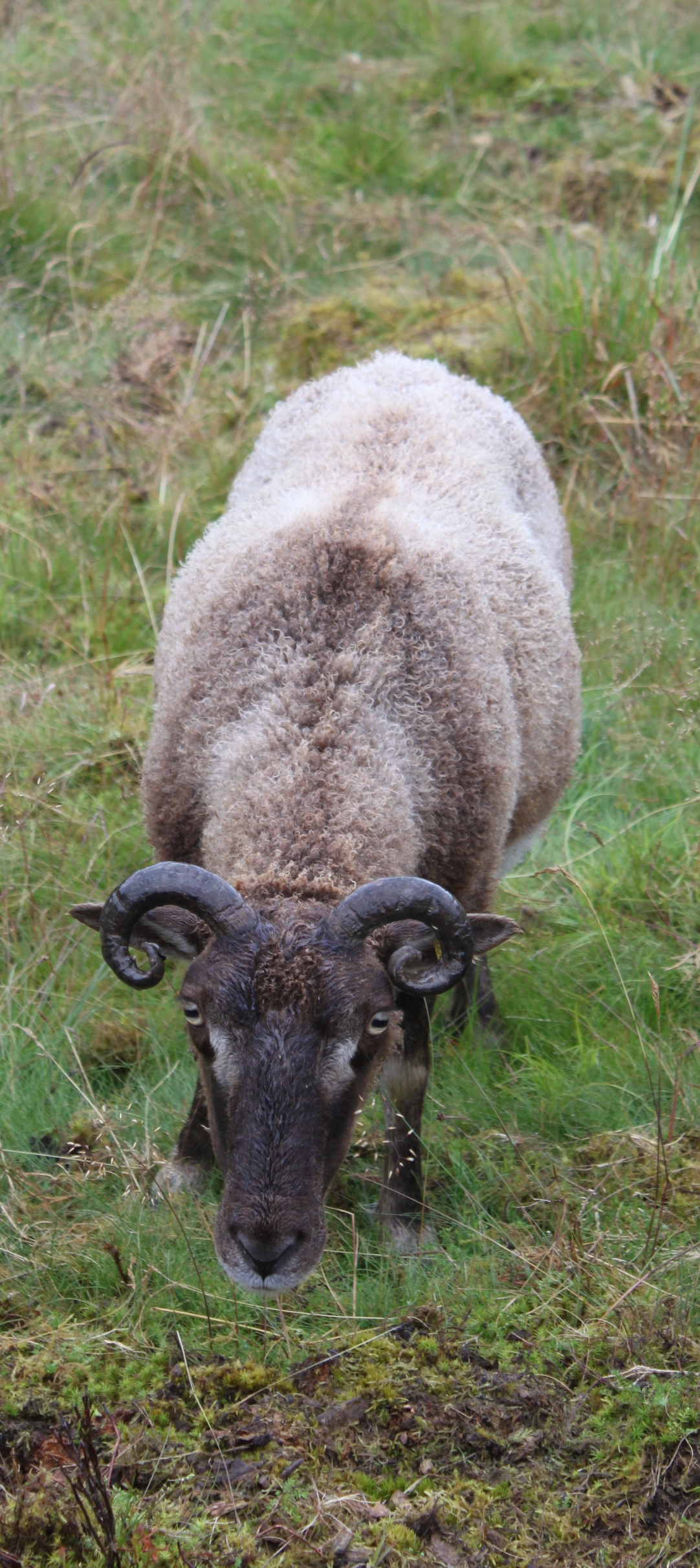
A mix of hebridean, manx loaghtan and shetland sheep arriving on site.Please disembark in an orderly fashion…..and off they go to explore their new home
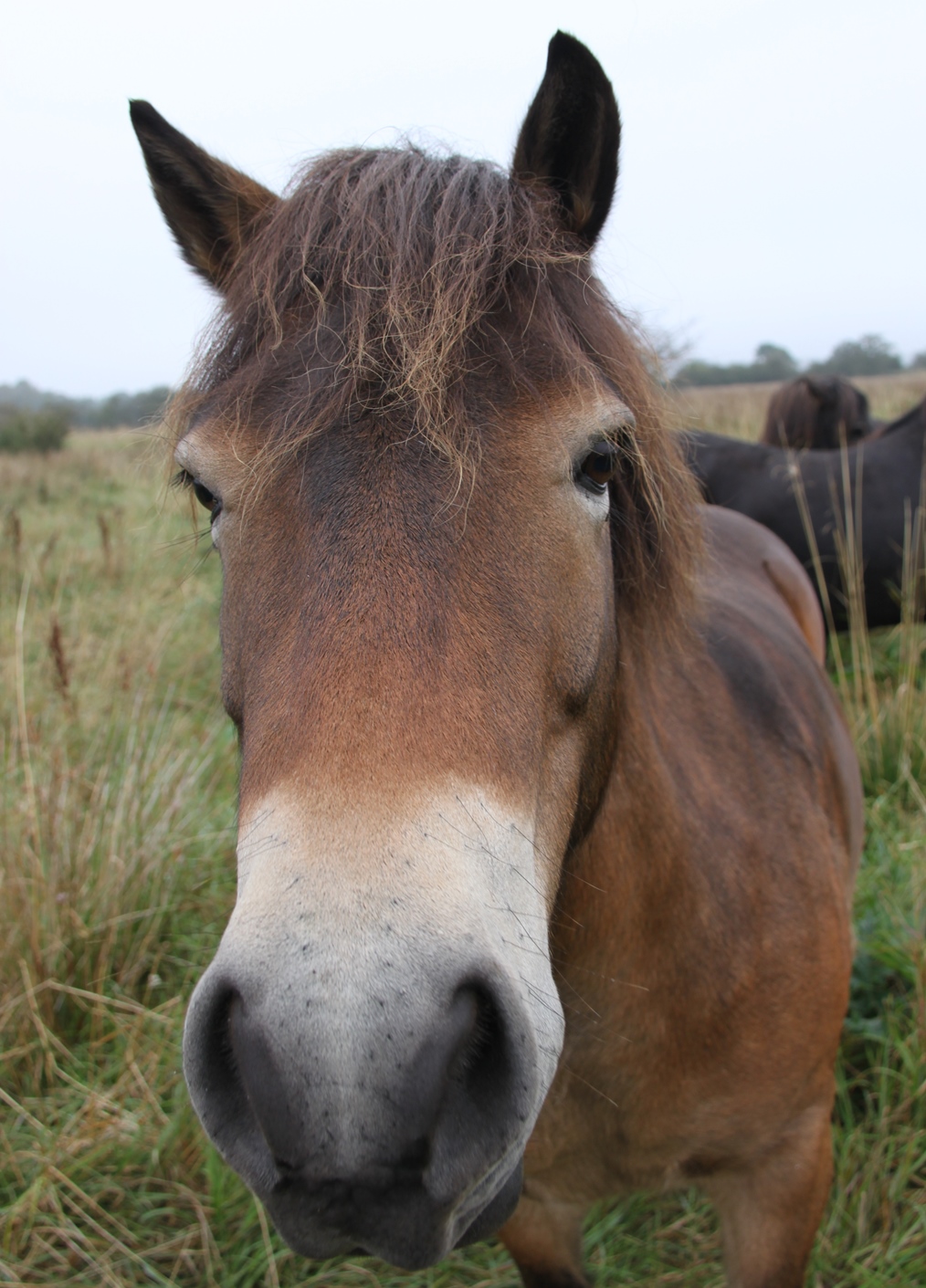
Spider in its dew covered webExmoor Pony being nosey
Prestwick Carr was emerging from the overnight mist during this morning’s stock check. The sheep, cattle and ponies were well spread out around the Carr and thus took a long time to find but all were present and healthy when they were found – unusually it was the sheep that were easiest to find today.
Reed buntings, a flock of goldfinches, a kestrel and a buzzard were among the birds to be seen while a roe dear leapt out of the way past the ponies. It was, however, the spider’s webs that were most impressive with their beads of dew and the spider sitting tight in the centre.
The sheep are back in the Capon Field at Bakethin Reservoir, this is a mixture of Hebridean, Manx and Shetland, which should be well suited to the less than lush pasture. They are visible (or are at times visible) from the Lakeside Way – the path around the lake. Checking of them is made much easier by the fact that they will come when called if there is a tasty snack available for them, just enough to make them come to the call and not enough to stop them eating what they are here to eat. Sure enough they came racing down the field the other day to enjoy their reward! All were present and correct.
A big thank you to all those who came along and helped with the shearing this year. Here are a few photos from a ‘shearer’s eye’ view of work in progress.
All the sheep are now nice and cool in the warm weather and I can work on standing up straight again!!
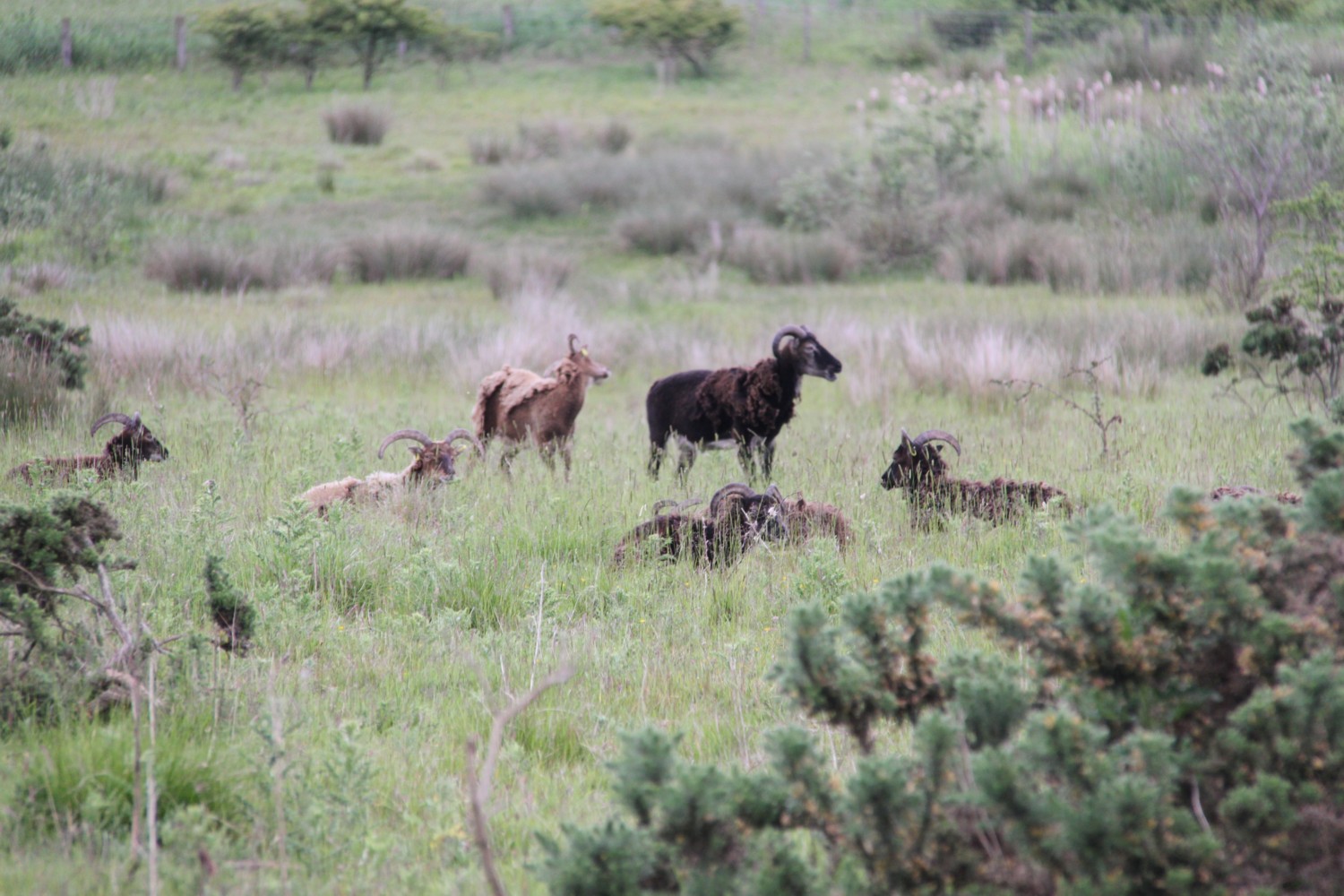
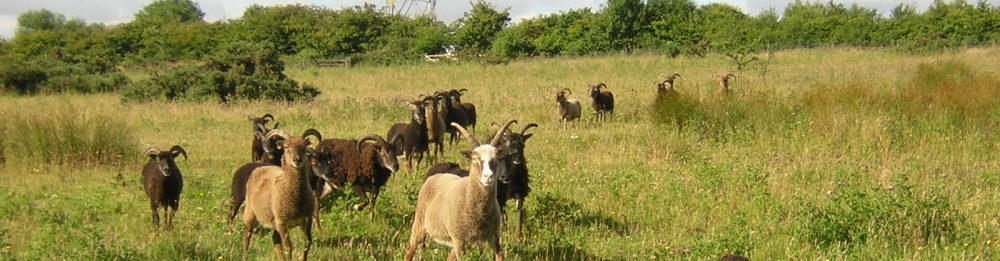
The Soay sheep at Linton Lane were contentedly resting in the late morning warmth. They looked a little like wild antelope on the savanna glimpsed between the scrubby gorse and hawthorn. All seemed to be content and oblivious to the group of visitors gazing at them and the birds on the pond behind them through binoculars.
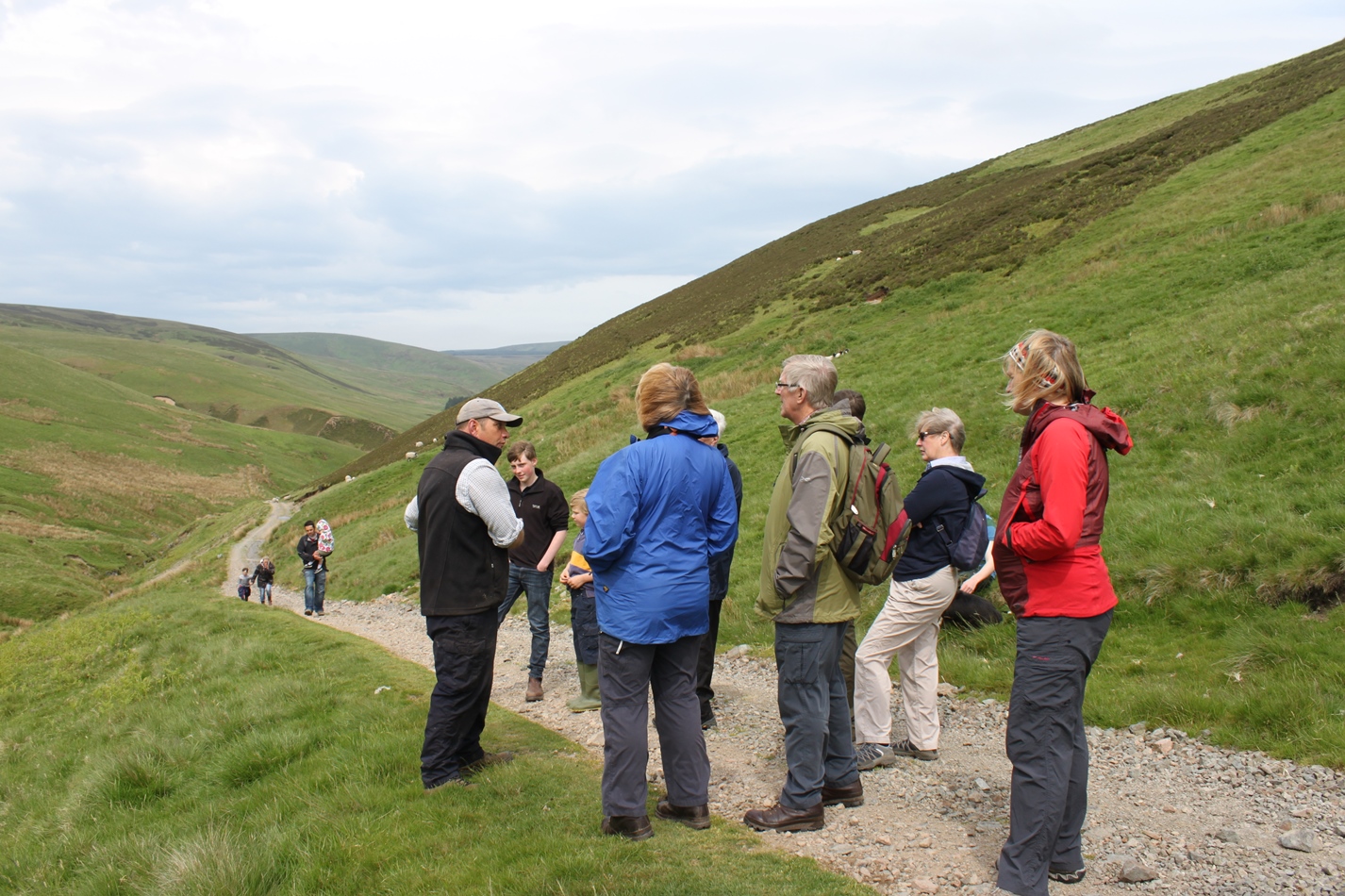
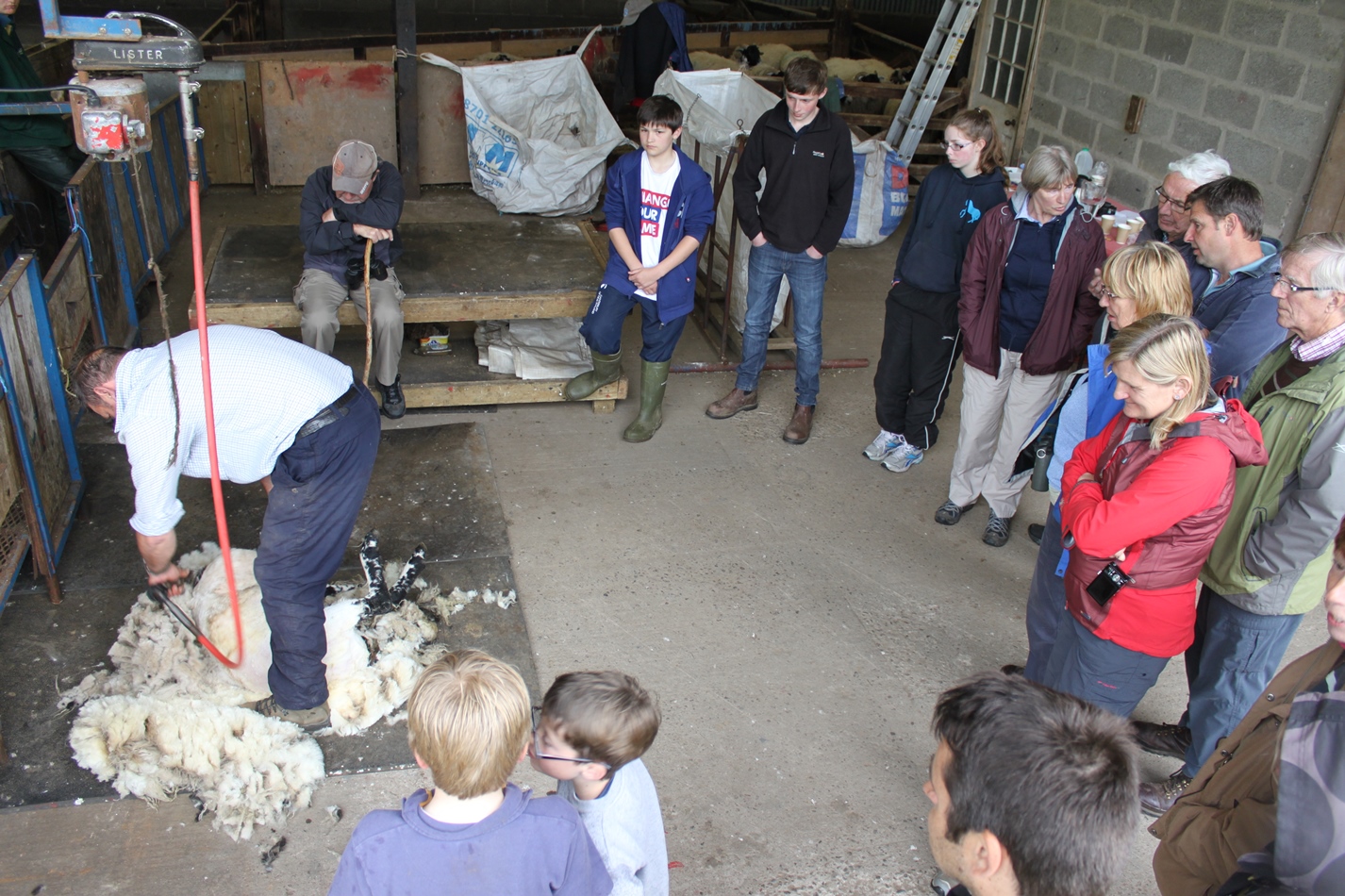
The group learn about farming at Low BleakhopePart of the hill showing the terrain and a sheep stellA demonstration of shearing
Today was an opportunity for a few of the volunteers from Flexigraze to find out a bit more about where some of the sheep start their life as well as about upland farming in Northumberland. The destination was Low Bleakhope, situated deep in the heart of the Cheviots and a long way down a private track. The farm covers about 4000acres (1600ha) of rough ground with heather, grass, bracken and bog. The group was taken up above the farm to get an understanding of the type of land and the importance of hefted flocks in this difficult terrain. After lunch we learnt a bit more about the farming year and had a demonstration of shearing.
The farm itself is not just remote and hilly it also has to rely on its own power generation being well off the electricity grid. Here solar, wind and a new water turbine all help augment the traditional diesel generator although recent lightning strikes have disabled much of the electronic systems that help it all work together meaning costly and time-consuming repairs.
Many of the Flexigraze sheep come from Low Bleakhope, bought in during the autumn and then used to graze our conservation sites. Most of the volunteers there today help check the stock on these conservation sites and it was good to see where these sheep start their lives.
It was peaceful out on Prestwick Carr in the evening sunshine during yesterday’s stock check. The check took in fields with two small flocks of sheep, contentedly slumbering in the buttercup filled meadow or on the drier edge of a rushy pasture. Elsewhere the Exmoor ponies were finally in the field by the viewing platform and were duly shut in there for a while.
Green veined white
The site is rarely dry and occasionally you find yourself in a rather more soggy area; it’s here that the cuckoo flower was still in full bloom and the rather old-looking specimens of the first brood of green-veined white butterflies were to be spotted. In the southern buttercup fields silver-ground carpet moths flitted up into the air as they were disturbed. Their wings were more beige and brown than silver though the colouration does vary. Elsewhere a couple of female scorpion flies were spotted though none of the more distinctive males were seen with their scorpion like tails.