” Exmoors have arrived at St Mary’s island to graze the wetland for a few weeks.”


Martini and Lucie will graze here for a few weeks probably until the end of April. Watch out they may even be joined by some more friends!
Conservation Grazing in North East England
” Exmoors have arrived at St Mary’s island to graze the wetland for a few weeks.”
Martini and Lucie will graze here for a few weeks probably until the end of April. Watch out they may even be joined by some more friends!
Why is it that if ponies, sheep or cattle are going to escape they have to do it on a Friday afternoon (or over the weekend)? So it was today that we learnt that the ponies were ‘in a hide’ at Druridge Pools. It was quickly ascertained that while not actually in a hide they were close by and not in the field where they were supposed to be. They must have crossed the broken fence to get away but they seemed very reluctant to do so in the opposite direction. Eventually they were persuaded but the fence still needed an emergency repair – not a very neat and tidy job but functional. Hopefully they will stay where they are supposed to be until the next inconvenient time to get out!


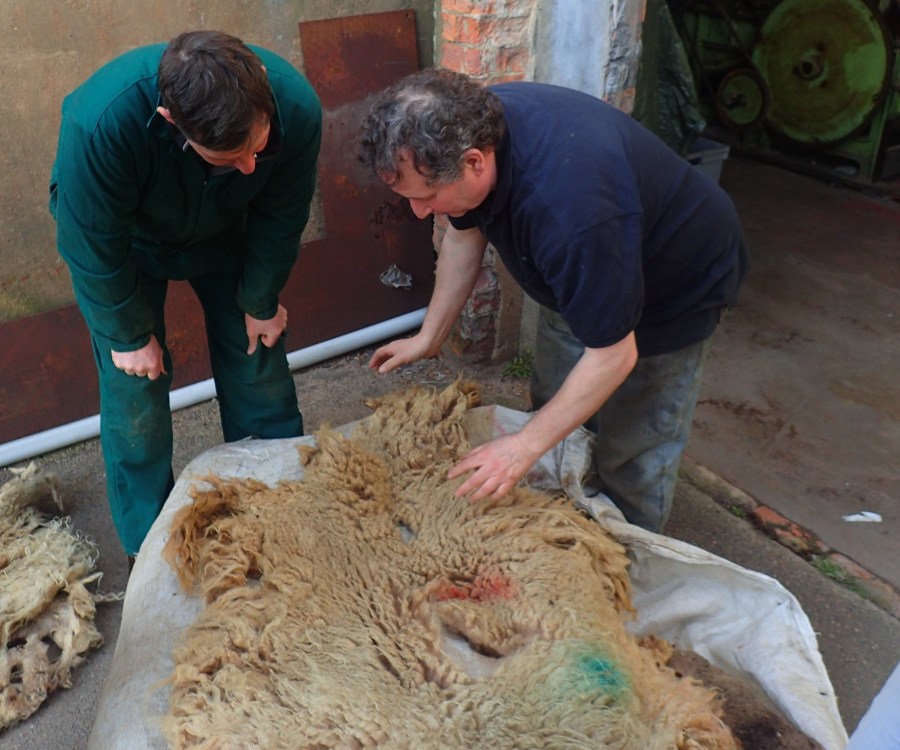
The fleeces from our mixed flock have always proved to be a bit of a problem to get rid of. Up to now a select few have been passed on to a some of those we know who are into woolly crafts but the majority end up getting a few pounds through the normal Wool Marketing Board route.

So last Thursday we had a trip to see whether we could make a little bit more of this product with a visit to Halifax Spinning Mill (which is actually near Goole). We had a fascinating look around, seeing the process from carding through spinning to the final balls of wool. Spindle spinning and ‘rope’ making were also little asides to the tour.
Our trip culminated in us looking at the quality of our own Flexigraze fleeces to see whether they were good enough to turn into something we could sell. A few unwrapped fleeces soon indicated that we actually have some good quality wool, particularly from the rare breeds such as Shetland and Manx. We also have a few tips to help us get clean, quality fleeces from the sheep we shear this coming season so that an even better batch can go to be processed next year.

In the meantime we look forward to our first batch of Flexigraze yarn as well as some garden twine made from the lesser quality wool. We will be selling this locally to help fund conservation grazing in the North East along with the meat that we already have on offer.
It was a fascinating day out and thanks to Paul at the mill for showing us around and passing on some of his knowledge and enthusiasm to us all.
Please check this web site for further details of the wool when it comes back from the mill and is available to anyone with a knitting, crocheting or other woolly pastime to pursue!
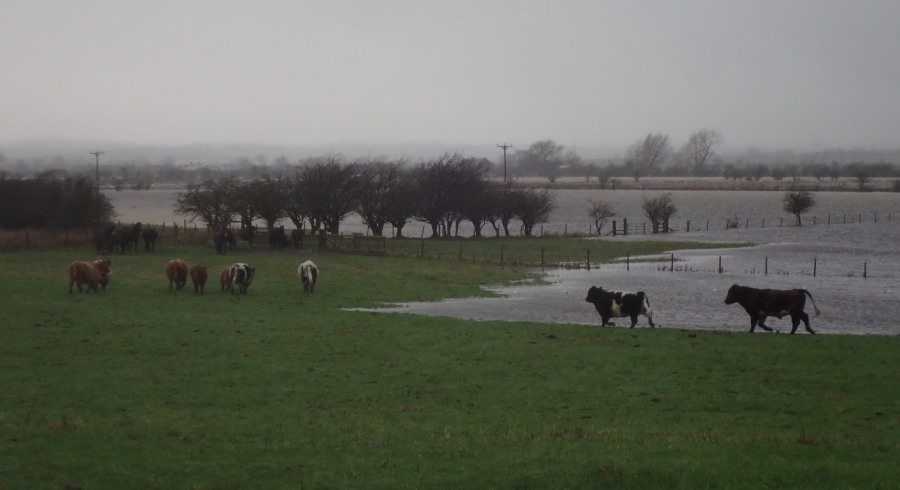
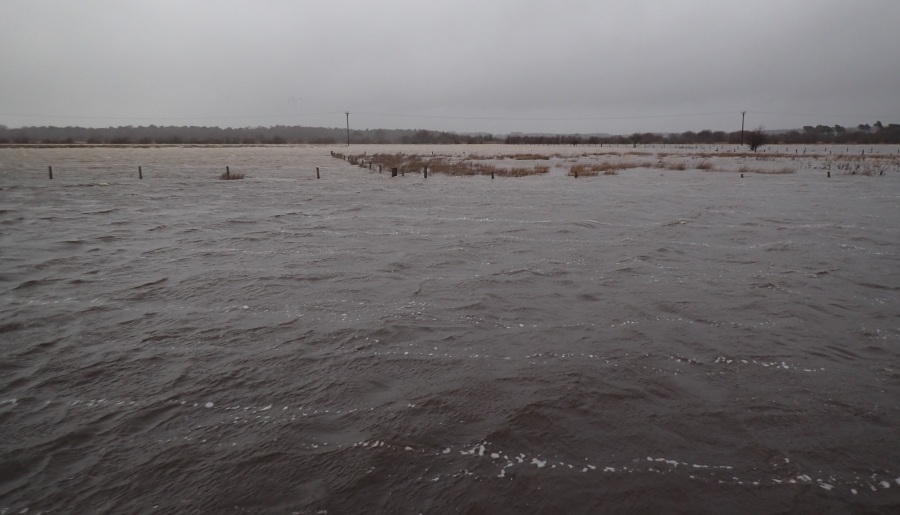
It was a wet and wintery day at Prestwick Carr today. Fortunately all the livestock is on the higher ground and they all (except the sheep) seemed to be intrigued by the large lake that has appeared.
Of course this large lake is the site doing exactly what it should be doing. All the water stored here is going to take time to get out into the Rivers Pont and Blyth so helping to keep river levels more manageable. If all this water was being drained from the site as quickly as possible someone, somewhere downstream would be bound to suffer the consequences. Management of land like this to store floodwater is one of the techniques that need to be put in place to help reduce flooding throughout the UK; it has the advantage of being a natural solution and one that is good for wildlife too.
The management of this site is designed to accept the flooding that occurrs, we just have to be careful that all the livestock is safe with high ground to escape onto.
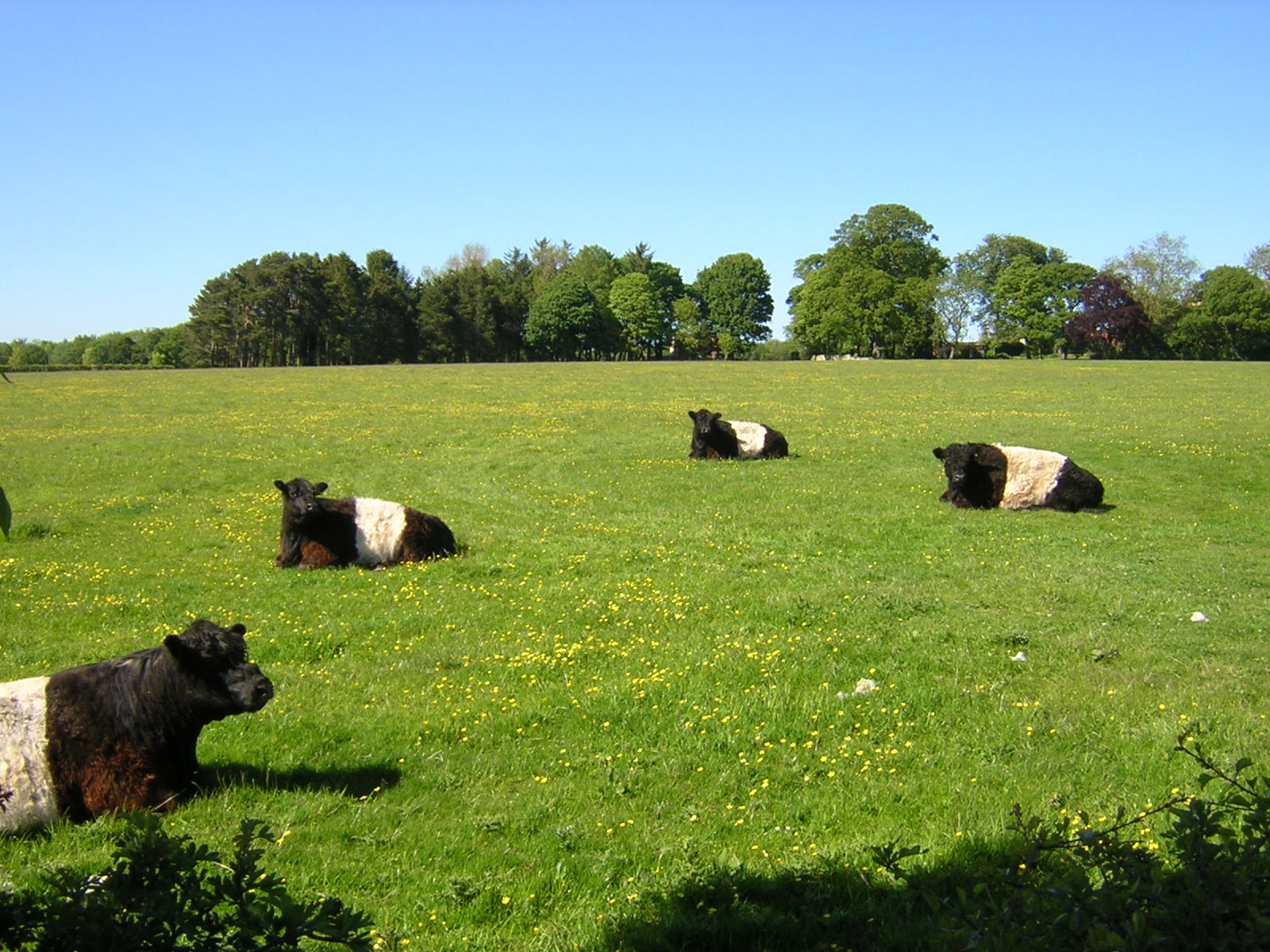
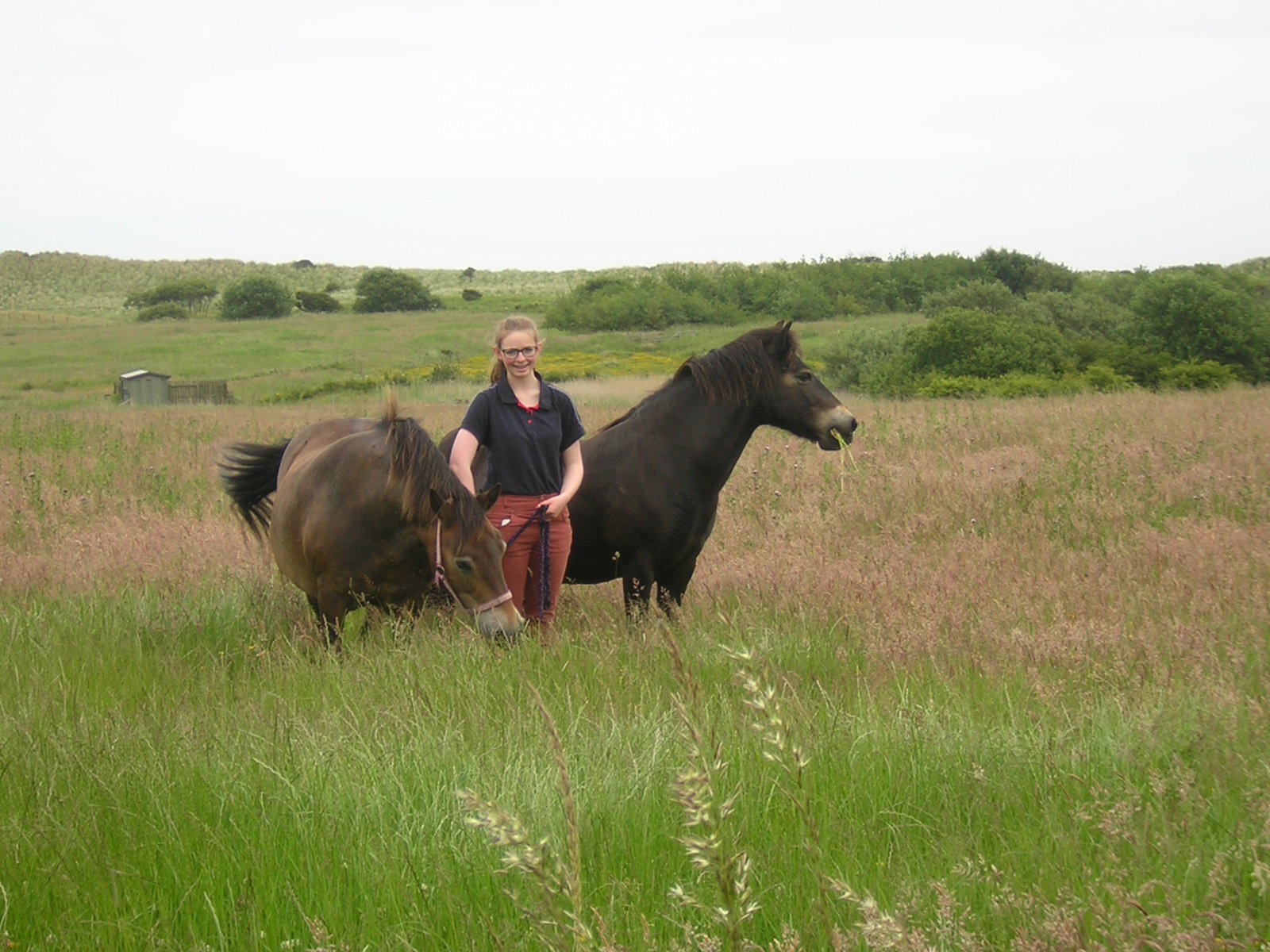
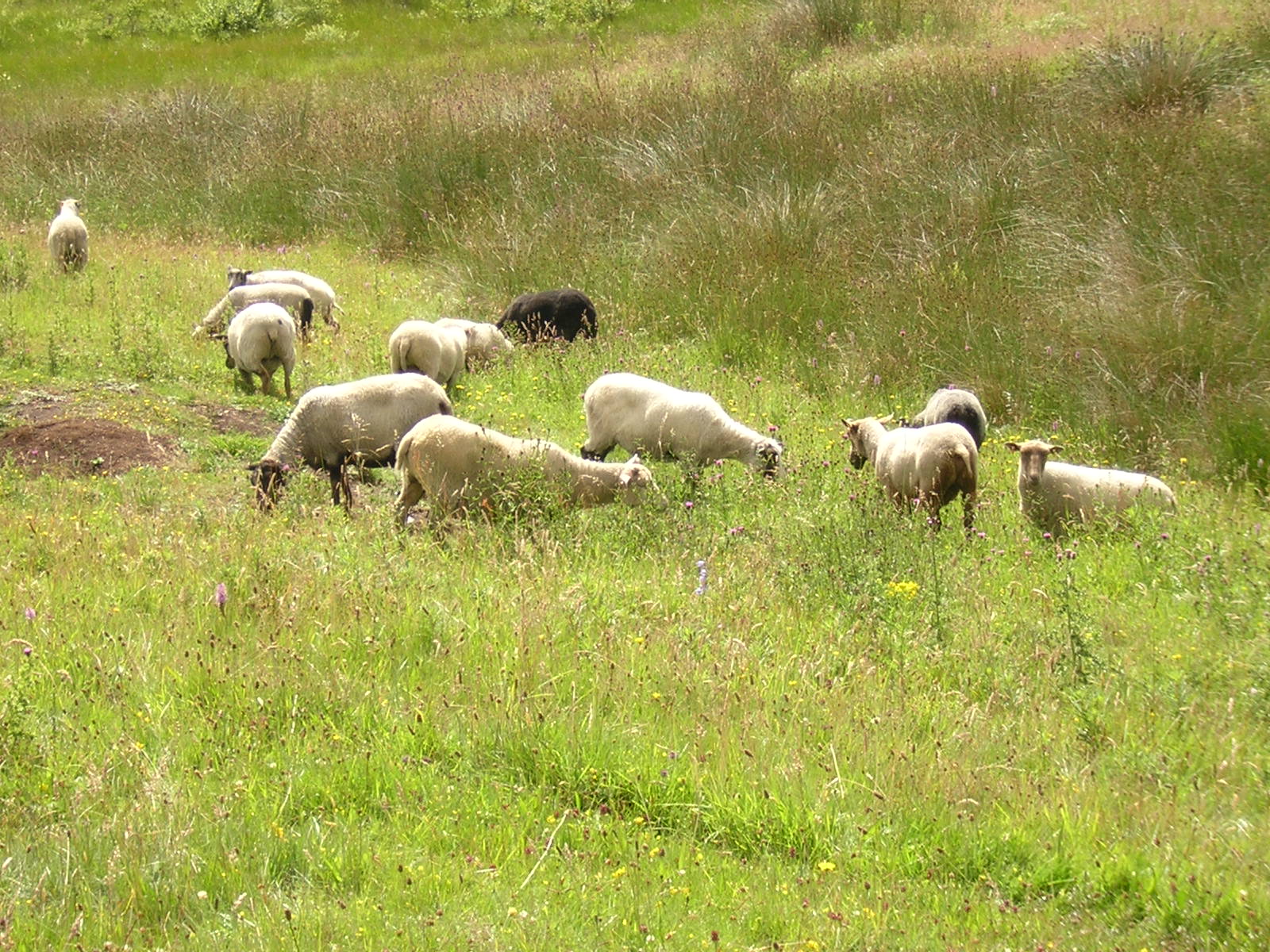
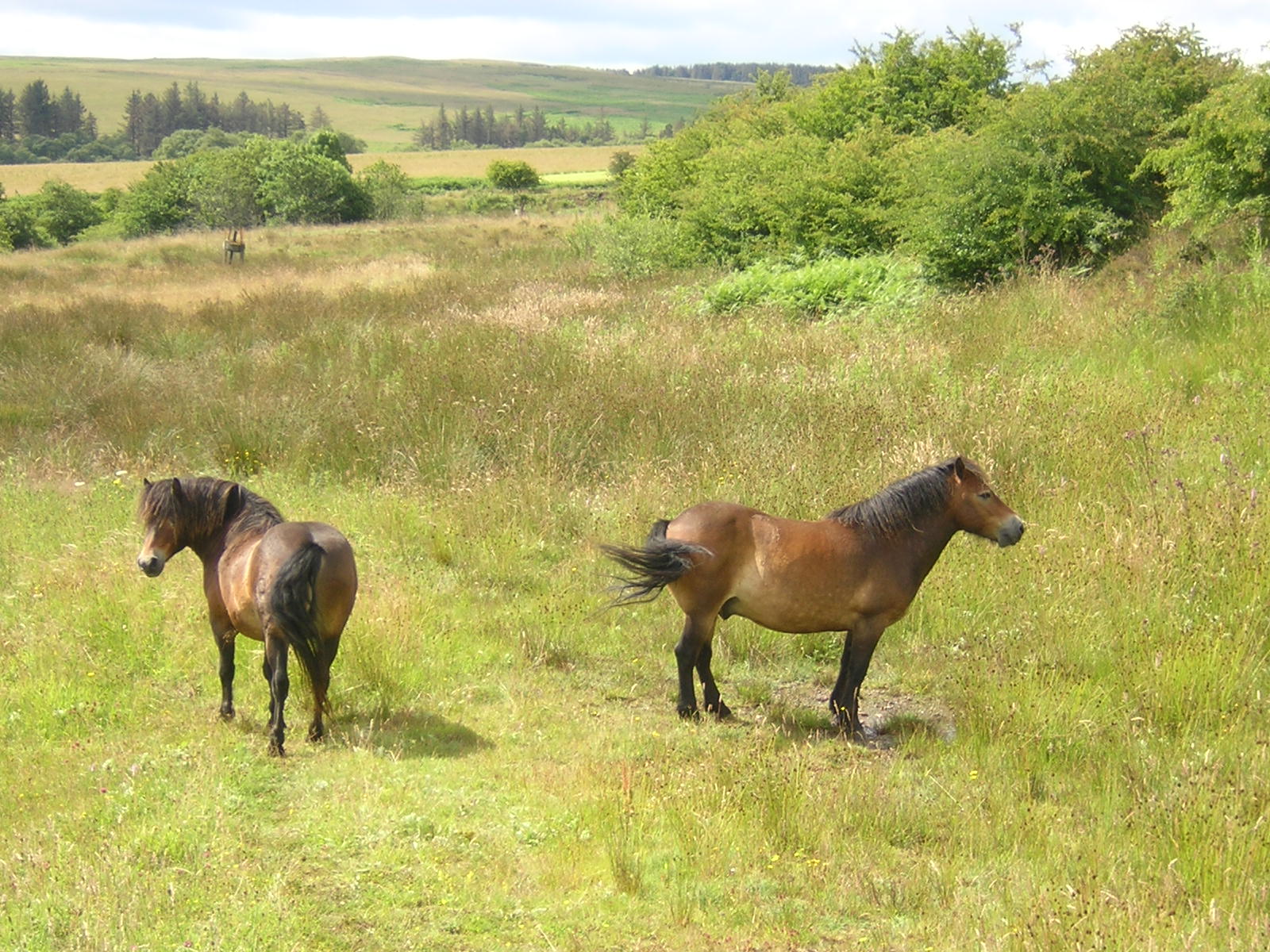

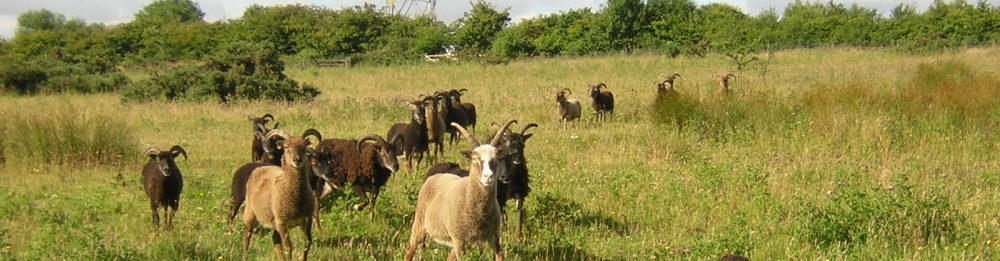
A mix of Shetland, Hebridean and Manx Loaghtan sheep arriving at Kielder to do some scrub control grazing before the midges arrive for the summer.


We will have some of our 2 yr old shearling lambs for sale over the next couple of months available ready for the freezer as either half or whole lambs. If you would like more information please contact us via the Lamb for Sale page.

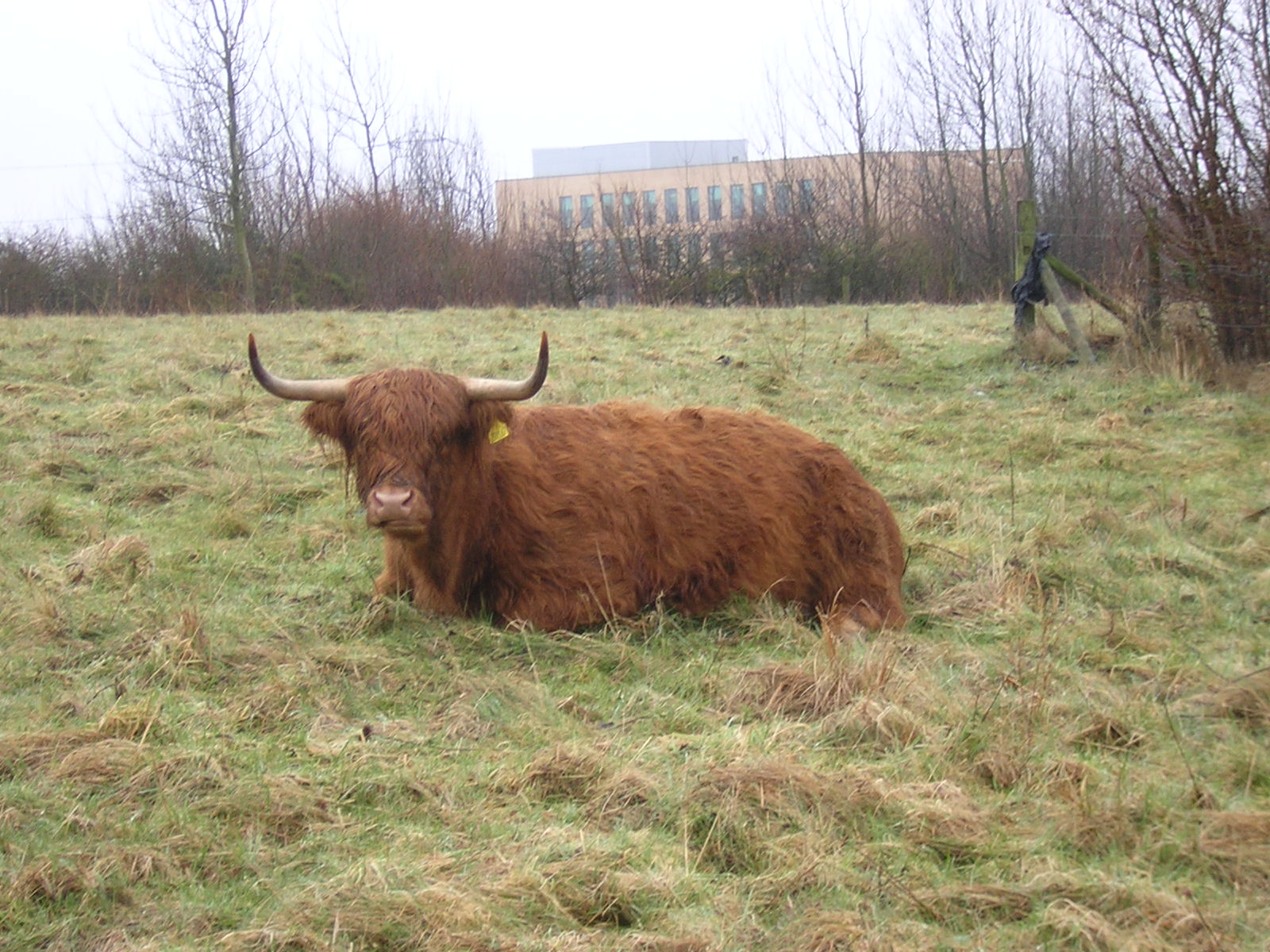
3 Highlands including a young white calf have returned to graze the meadow at Silverlink this spring. Although to day he was a little camera shy!
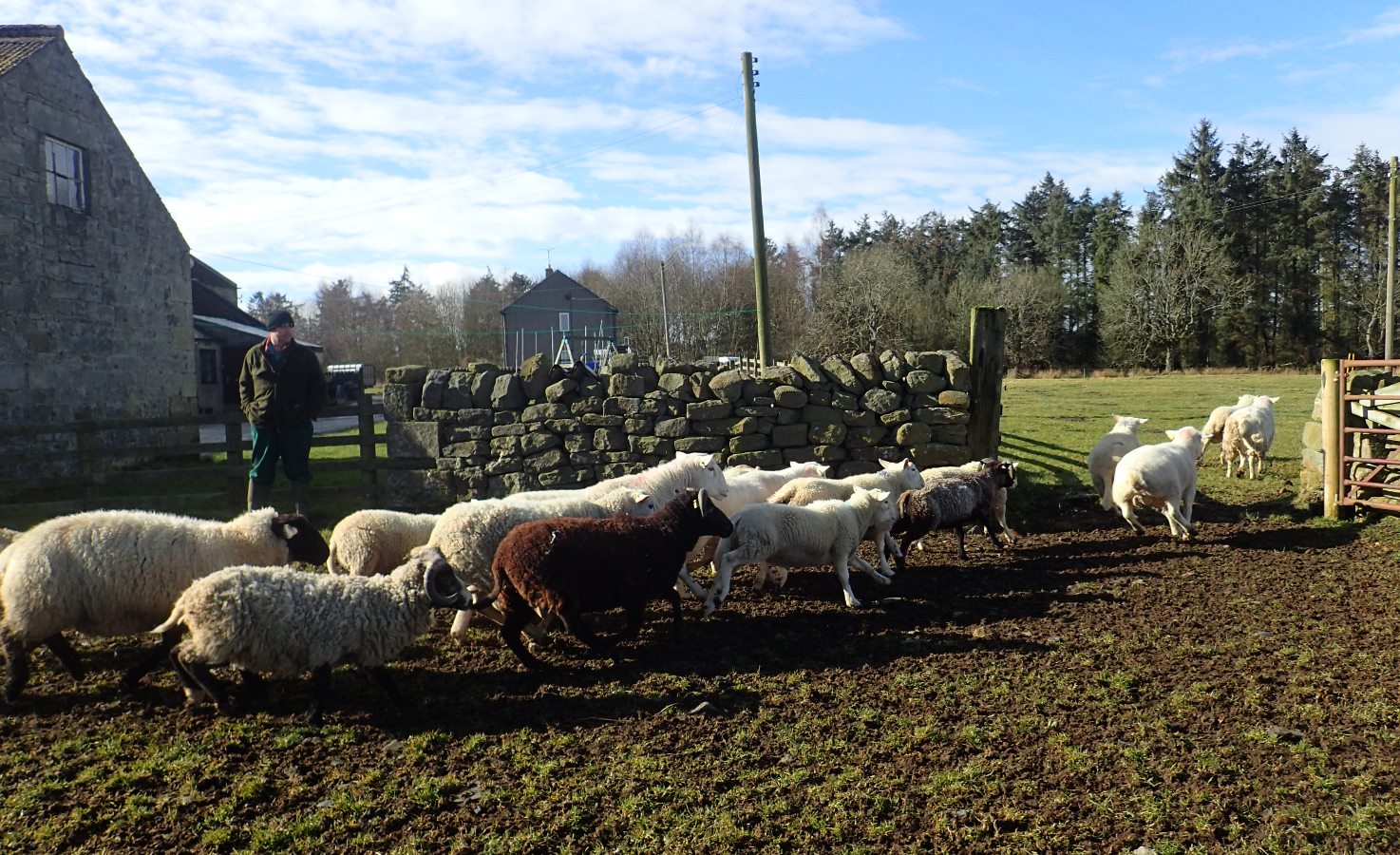
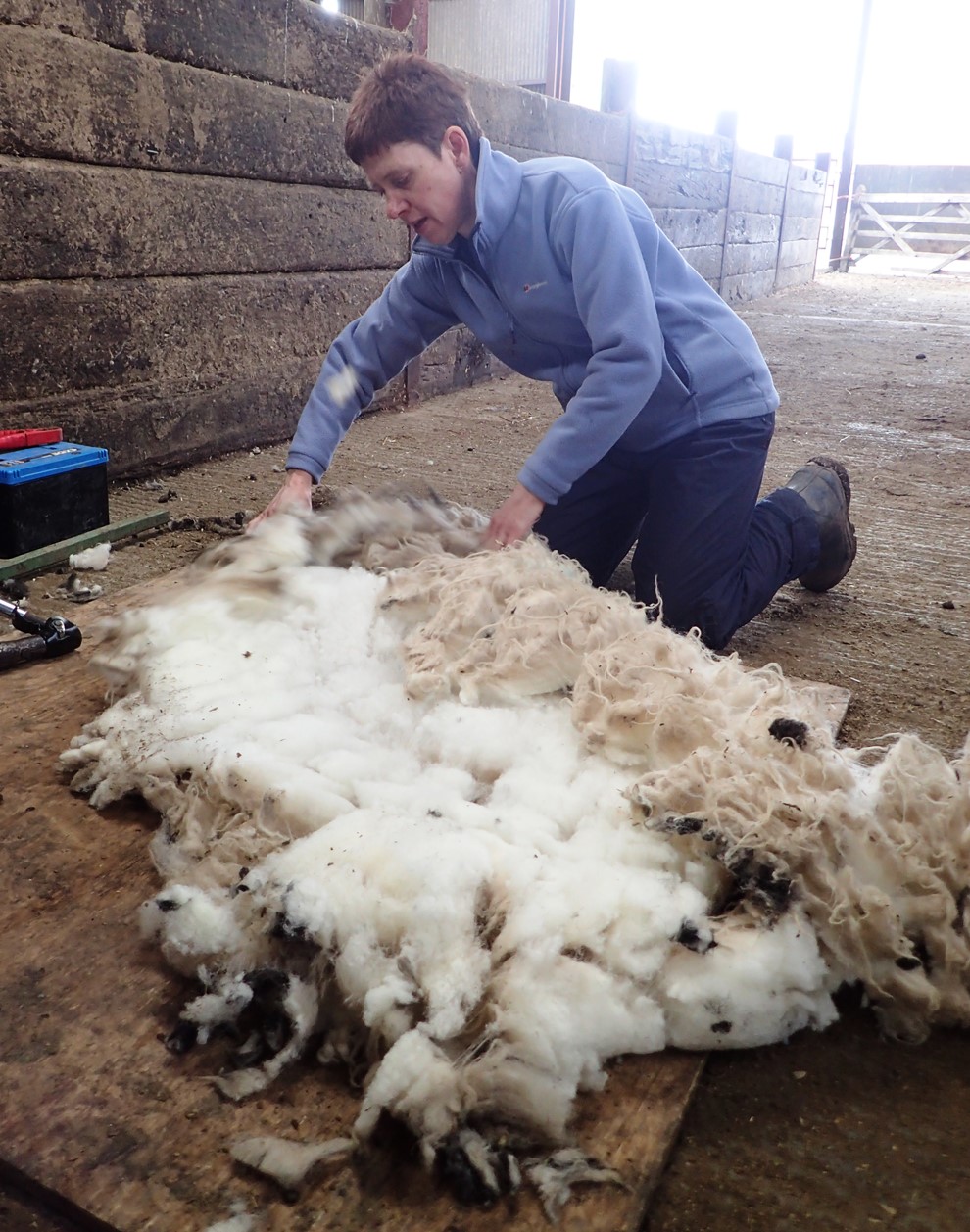
Stephen spent two days this week training some staff and volunteers working on Northumberland Wildlife Trust’s Magnificent Meadows Project. This HLF funded project is managing some important grassland areas in south Northumberland, particularly those on the Whin Sill and other ‘calaminarian’ sites along the River South Tyne. Some of these sites are being grazed by Flexigraze.
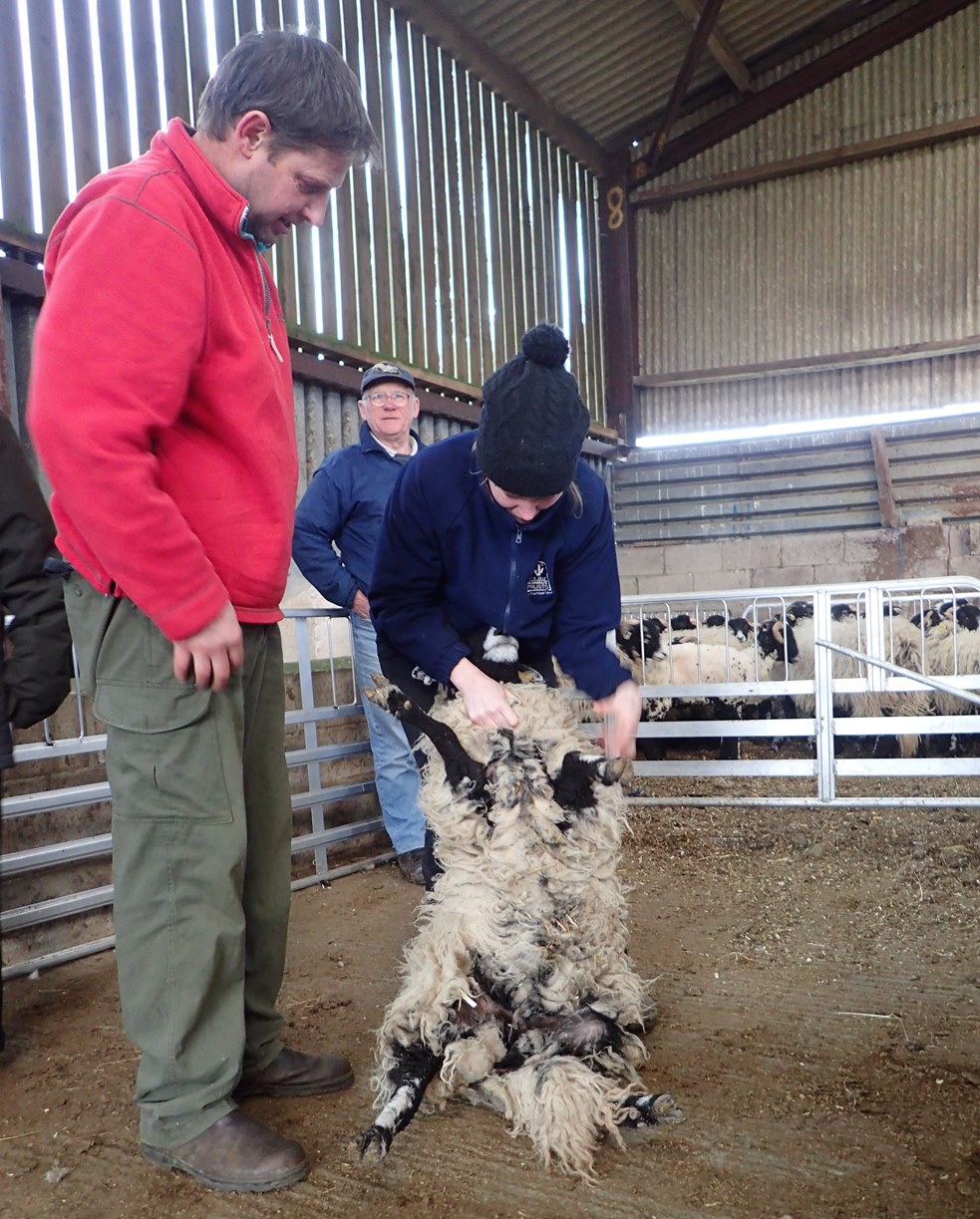
The day was used to introduce those attending to handling sheep, shearing them and general sheep management. The two Exmoor ponies on the site were also brought in to consider the different needs of these larger animals.
There were plenty of chances for hand’s on as well as more theoretical aspects of grazing.
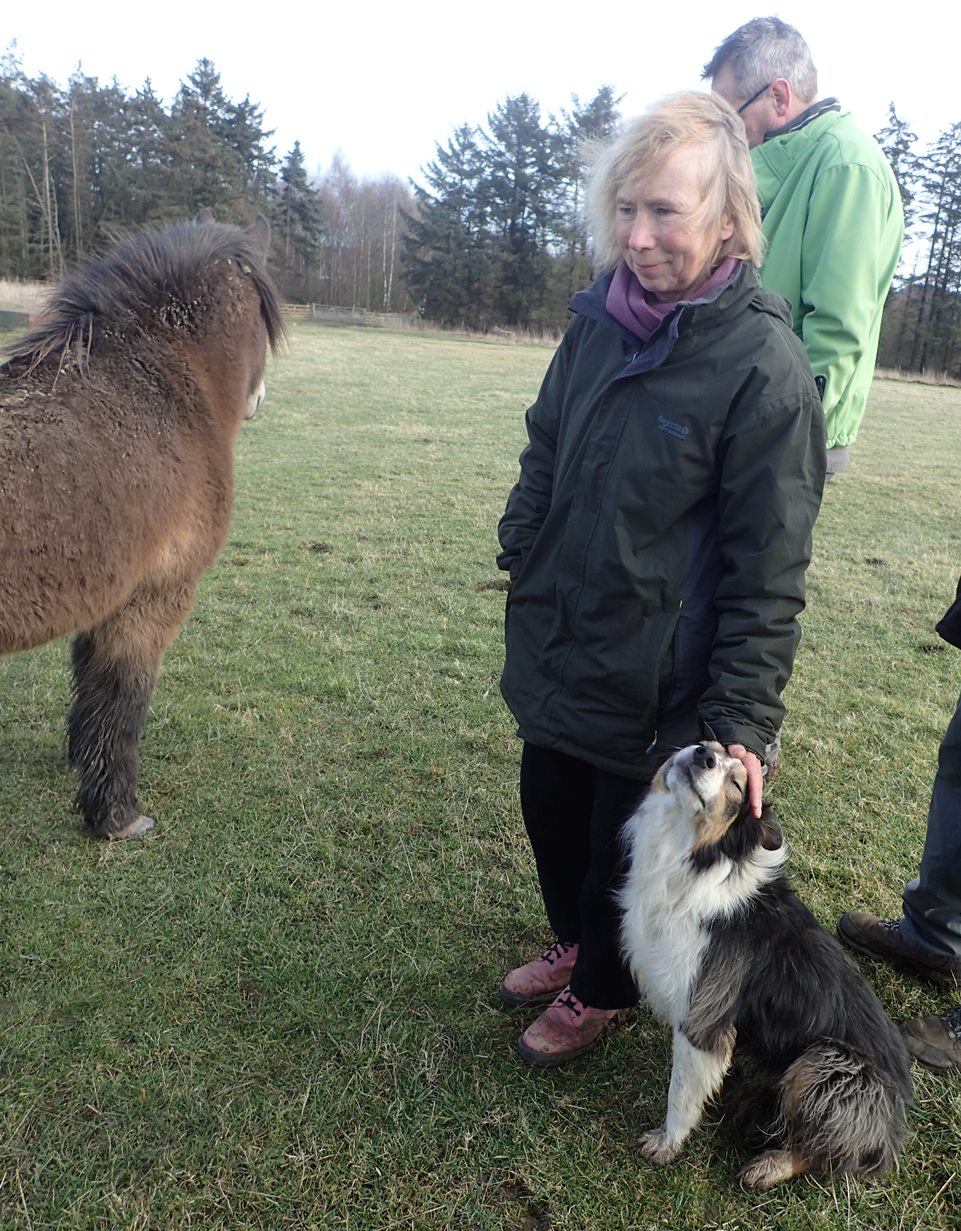
The course included getting to grips with the terminology used in sheep farming, all the names used for different ages and stages that confuse most non farming folk.
Jess had plenty to do gathering and helping out but also enjoyed the company when not on duty!

Livestock checking continues through the holiday period. Today’s visit to Prestwick Carr was certainly a fruitful one from a wildlife perspective and a successful one in ascertaining all the livestock was OK. There are 4 new Exmoor Ponies although it was the resident 6 that had a good race around a new field as they were let out to wander further afield.

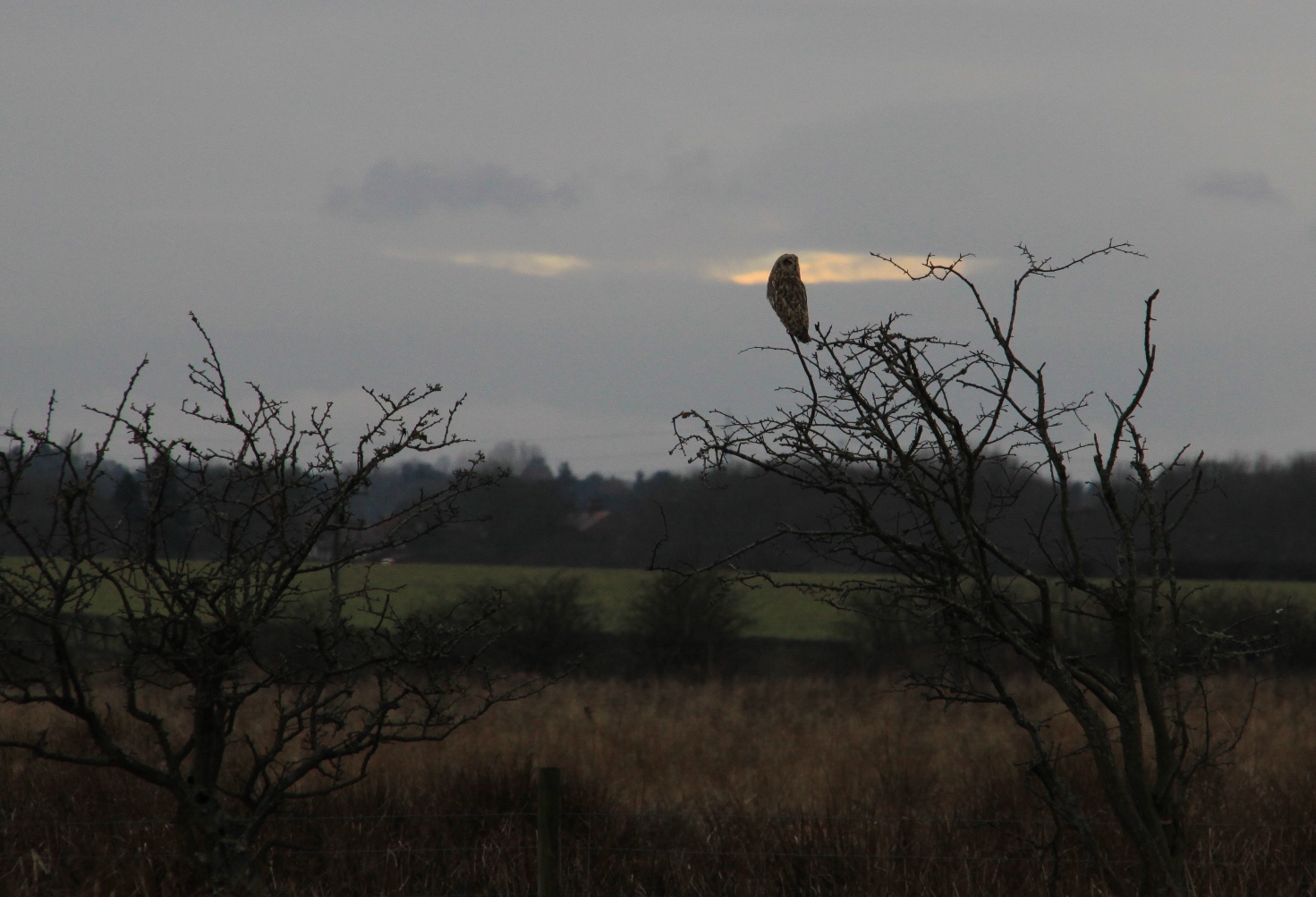
The wildlife sightings are certainly worth a mention. There was a herd of 9 roe deer gently grazing and about 12 snipe flew up from the rushy sward. Redwings and starlings put in fly-pasts and a buzzard circled overhead. It was, however, a short-eared owl that put in the most impressive show, flying up from close by then circling before settling in a hawthorn along one of the field boundaries.
 Flexigraze CIC